
The cargo industry is undergoing a remarkable transformation, driven by the rapid rise of AI and automation technologies. These innovations are not just enhancing efficiency—they are redefining how cargo services operate globally, including in key logistics hubs like Oman.
Artificial Intelligence (AI) is helping cargo companies make smarter decisions through data-driven insights. AI-powered algorithms can analyze shipping routes, weather patterns, and traffic conditions to suggest optimal delivery paths, reducing transit times and fuel costs. In cargo services in Oman, this translates into more reliable delivery schedules and improved customer satisfaction.
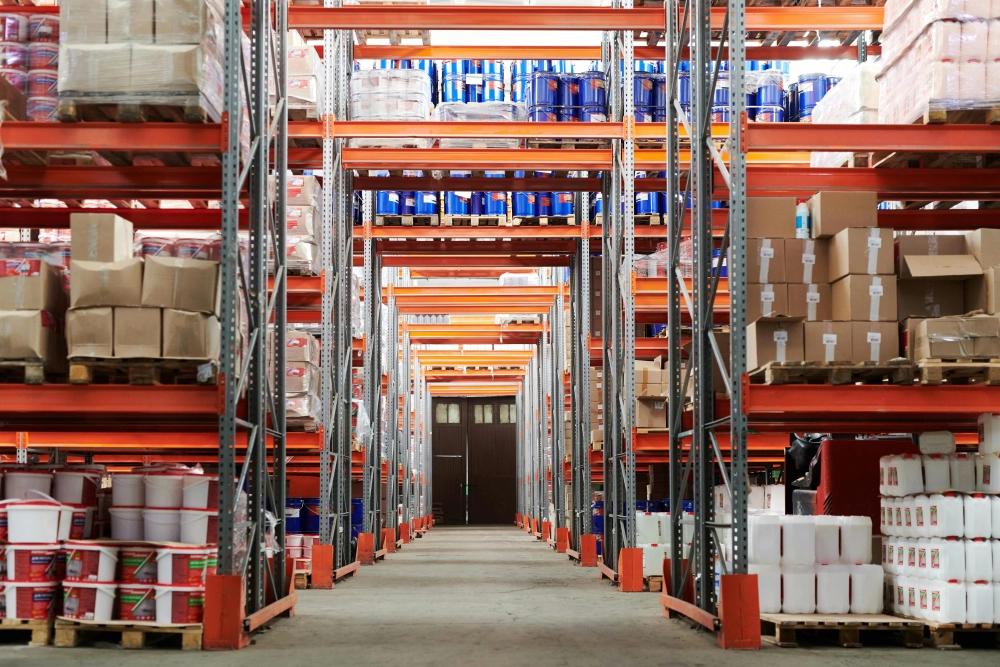
Automation is also revolutionizing warehouse operations. Robotic systems handle tasks such as sorting, packing, and inventory management with precision and speed, drastically reducing human error and labor costs. Automated systems also ensure that warehouses operate 24/7, increasing throughput and efficiency.
AI chatbots and virtual assistants are enhancing customer service by providing real-time updates, answering queries, and resolving issues instantly. This round-the-clock support streamlines communication between clients and cargo providers.
In regions like Oman, where the logistics sector is growing rapidly, integrating AI and automation supports national development goals and boosts competitiveness in the GCC. Cargo services in Oman are becoming more agile and responsive, capable of adapting quickly to market demands and global disruptions.
Looking ahead, the synergy between AI and automation will only grow stronger. From predictive maintenance for cargo fleets to autonomous delivery vehicles, the future of cargo services promises greater speed, accuracy, and sustainability. For businesses and consumers alike, this technological shift is opening the door to smarter, faster, and more reliable logistics solutions worldwide.



Write a comment ...